The Pleats Movement: The Silhouette Keyword of Spring/Summer 2025
Pleats Return to the Centre of the Silhouette
A pleat is an ancient technique in which fabric is folded back on itself and secured in place. It can create volume by gathering a wide piece of cloth, and it also produces a play of light as the wearer moves. For Spring/Summer 2025, this old craft returns to the heart of the silhouette conversation in a lighter, more kinetic form.
Pressed and Unpressed: Two Basic Languages
By the way they are set, pleats generally fall into two families:
- Pressed pleats: ironed or heat-set into a sharp crease, giving crisp, structured lines.
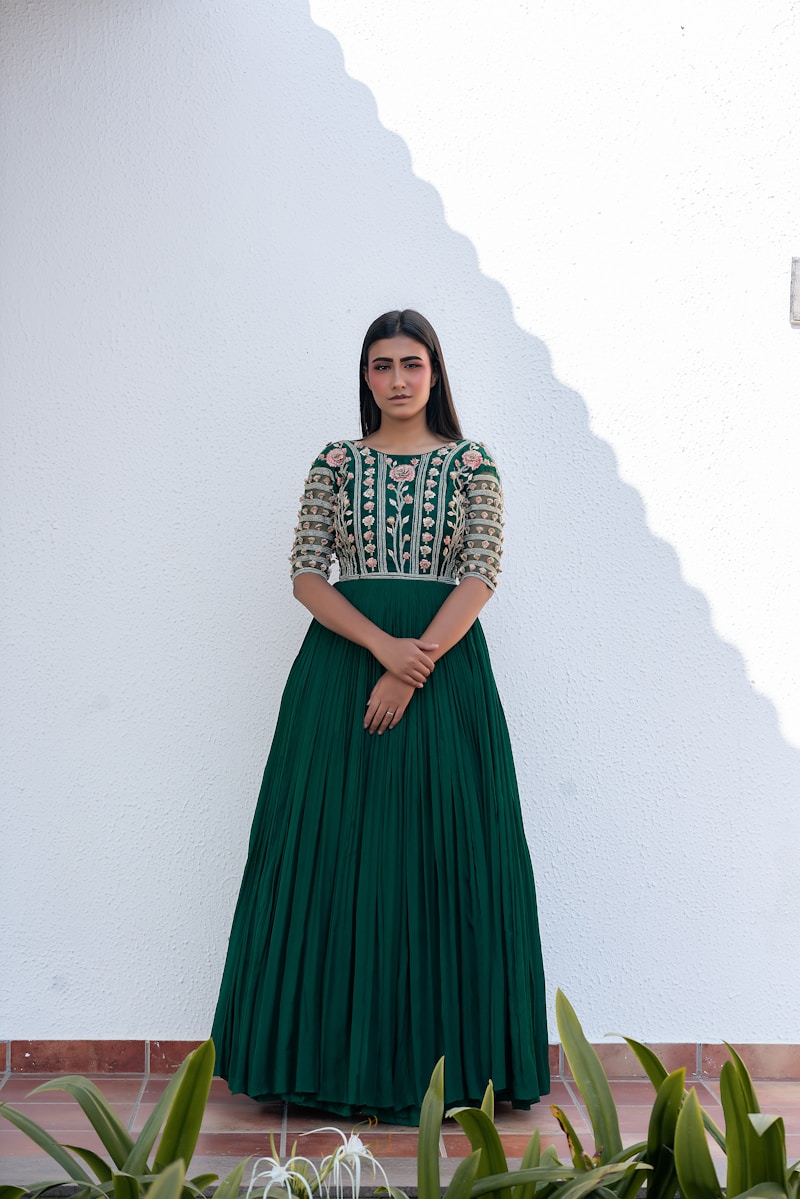
- Unpressed pleats: left unset, falling in soft rounded folds that feel supple and breathable.
Understanding these two languages is where reading this season's pleating begins — designers often let crispness and softness converse within a single piece.
Why Now
The appeal of the pleat is that it satisfies both function and aesthetics: it grants the wearer freedom of movement while creating visual change between stillness and motion. In a spring/summer mood that prizes lightness and flow, this "breathing structure" naturally takes centre stage.
Key Pieces
Pleated skirt: the most classic vehicle for pleats, with the open-and-close motion of walking as its highlight. Pleated blouse: pleats at the shoulder and back are a long-standing functional design that also adds dimension. Accordion-pleat dress: pleats that tighten towards the hem let the skirt fan out naturally with movement.
Styling Tips
- Simple top, rich bottom: balance a pleat-heavy skirt with a minimal top.
- Tonal gradients: let the play of light across the pleats lead the look, without relying on complex colour.
- Echo the structure: pair crisp pressed pieces with soft fabrics to create contrast.
"A pleat is the memory of the cloth — it records every fold, and every movement of the wearer." —— Guushu Design Team
Shopping Guide
When choosing pleated pieces, consider:
- The fabric's ability to hold a set: synthetics tend to keep sharp pressed pleats, while natural fibres lean towards soft unpressed folds.
- Pleat density and your frame: fine dense pleats read as light, while wide box pleats add volume.
- Care: pressed pieces should avoid heavy heat and pressure that can destroy the crease.