A Brief History of Sequins: From Tutankhamun to the Party-Season Revival
Humanity's Fascination with Shine Runs Deep
A sequin is a small, typically disk-shaped shiny ornament, also known as a paillette or spangle. Attaching shiny metal pieces to clothing to display wealth and status is an ancient practice across many civilisations. As the year-end party season arrives, this fascination with shine is lit up once again.
A Path of Shine Across Millennia
- Antiquity: gold sequins decorated clothing in the Indus Valley as early as around 2500 BC; solid gold sequins sewn into royal garments were also found in the tomb of Tutankhamun.
- Renaissance to the 19th century: in the 17th century the modern sequin — a spangle punched from thin metal sheet — appeared in Europe, favoured by nobility and the upper classes.
- The 1920s: the discovery of Tutankhamun's tomb sparked "Egyptomania," and sequins surged back, pushed to the height of a fashion statement by flapper girls.
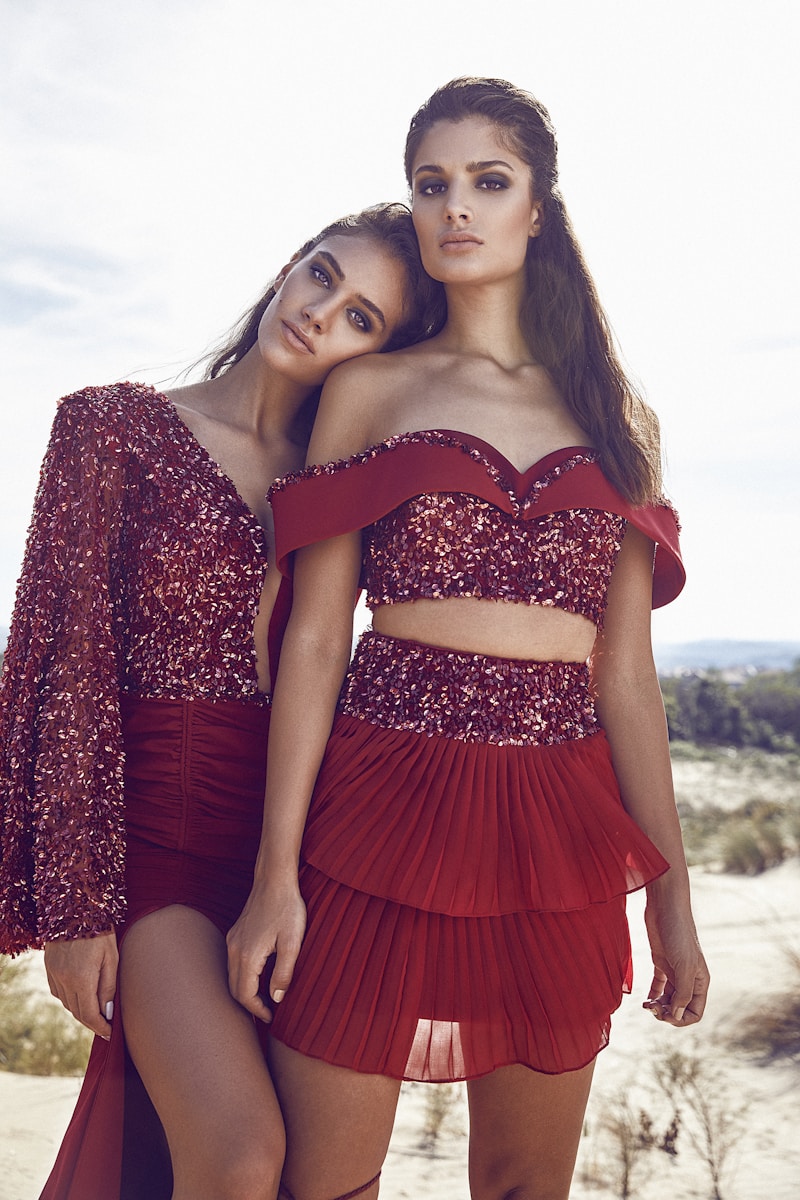
The Evolution of Materials
Early sequins were mostly made of metal — heavy and costly. The 1930s brought lightweight electroplated gelatin sequins, but they melted when wet or too warm. Algy Trimmings Co., working with Kodak, later produced clear plastic sequins; though brittle, they pointed the way. Polyester film and then vinyl plastic followed, and with their durability and low cost gradually replaced the older materials, bringing sequins truly into the everyday wardrobe.
From Stage to Everyday
From the late 1960s, sequins were widely used by pop musicians such as The Supremes, and they remained popular through the 1970s and 80s; at the turn of the millennium they became one of the signature elements of Y2K fashion. In short, whenever a little occasion and celebration is needed, sequins return.
"Shine is an emotion — it gives an ordinary night a reason worth remembering." —— Guushu Design Team
Why It Belongs to Party Season
The essence of the sequin is to catch the light. Some are stitched flat and reflect quietly; others are fixed at a single point so they dangle and move, catching more light. It is exactly this quality of moving with the light that makes sequins born for the twinkling gatherings of the year's end.