Met Gala 2026 'Costume Art': When Clothing Is Treated as Art
The First Monday in May
Fashion keeps an unwritten calendar: the first Monday in May is the Met Gala. In 2026, that day fell on May 4. Led by American Vogue's Anna Wintour, the benefit opens the annual exhibition of the Costume Institute at The Metropolitan Museum of Art (The Met) in New York, and along the way has become one of the most watched red carpets of our time.
One common misconception is worth clearing up: the Met Gala's real "protagonist" is not the red carpet but the museum exhibition it accompanies. The gala is the fundraising, headline-making opening event for that show.
This Year's Theme: Costume Art
The 2026 exhibition is titled "Costume Art," curated by the Costume Institute's Andrew Bolton. Its central question is to place "clothing" back within the coordinates of "art" — an identity issue the Costume Institute perennially faces: can creation with cloth and the body as its medium be regarded, and displayed, as art, and if so, how?
According to public information, the exhibition brings together around 400 objects — a substantial scale — and uses them to reconsider the place of dress within the museum context.
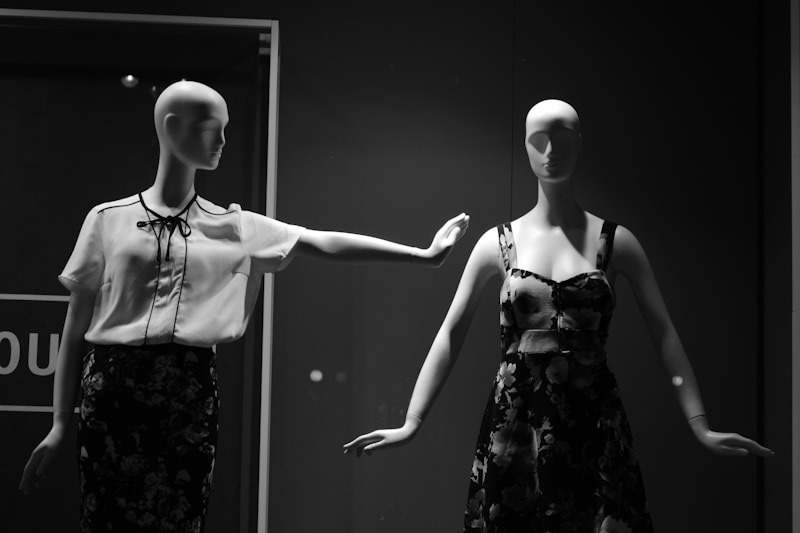
Why "Can Clothing Be Art" Is Worth Asking
The question isn't new, but it stays subtle. Painting and sculpture have long been treated as "fine art," while dress — because of its utility, wearability, and relationship to the body — was once filed under "applied art" or even "craft." What the Costume Institute has done in recent years is precisely to keep challenging that boundary: presenting cut, structure, and fabric treatment as means of expression equal to brushstroke and composition.
Beyond the Red Carpet, What the Rest of Us Can Take Away
Set aside the celebrity looks, and what the Met Gala and its exhibition leave ordinary visitors is really a way of looking at clothes:
- Look at structure: how a gown stands on its internal framework, like the support of a sculpture.
- Look at craft: embroidery, pleating, patchwork — each a skill worth admiring on its own.
- Look at context: the same garment is worn in a wardrobe and narrated in a display case.
Only when clothing is placed in a museum do we more easily realize: it was never merely cloth to cover the body.
"Putting a garment in a display case is what finally makes people willing to stop and really look at it." —— Guushu Design Team